Happysimus — Health & Wellness — Sexual Health
The Sex Guide Nobody Gave You:
What Science, Psychology & an OB-GYN
Actually Want You to Know
Safe. Legal. Mutual. Happogie.
Home ›
Blog ›
Health & Wellness ›
The Sex Guide Nobody Gave You
|
In over two decades of clinical practice as an OB-GYN in Europe and medicine across three continents, I have heard every question about sex that a human being can formulate. The painful ones. The embarrassing ones. The ones people whisper only after they have checked that the door is properly closed. What strikes me every single time is not the question itself — it is the relief on someone's face when they discover the answer is normal. That their curiosity is not deviant. That their body is not broken. That the thing they have been quietly worrying about for years has a name, an explanation, and often a very simple solution. This article exists because that relief should not require a consulting room. Sex education — real sex education — is a public health issue. So let us get into it. No euphemisms. No moralising. Just science, psychology, and the honest clinical perspective that most people never received.
⚠️ Note from the Author: This article is for educational purposes only. It discusses human sexuality in clinical, evidence-based terms. It is intended for adult readers. Nothing here constitutes personal medical advice — please consult your healthcare provider for individual concerns.

Human intimacy is one of the most studied — and most misunderstood — aspects of our biology. — Unsplash
🚫 20 Sex Myths That Refuse to Die — DebunkedIf there is one thing more persistent than a bad habit, it is a bad sex myth. Many of these have been circulating for generations — passed from locker rooms to dinner tables to the internet — accumulating credibility simply through repetition. Let us dispose of the most damaging ones. MYTH 1: Size determines satisfaction. Studies consistently show that technique, communication, and emotional connection are far stronger predictors of sexual satisfaction than anatomy. MYTH 2: Women take longer to orgasm than men because something is wrong. Nothing is wrong. The pathways to orgasm are simply different — and equally valid. MYTH 3: You can tell if someone has had a lot of sex from their body. Anatomically false. The hymen does not work the way school told you, and no body “looks” sexually experienced. MYTH 4: Low libido is always a hormone problem. Stress, sleep deprivation, relationship dynamics, medication side effects, and mental health conditions are far more common culprits. MYTH 5: Men always want sex. Male libido fluctuates enormously based on stress, health, age, relationship quality, and context. The “always ready” myth causes real harm — it silences men who are struggling. MYTH 6: Masturbation causes health problems. It does not. Research consistently shows masturbation is a normal, healthy sexual behaviour across all ages and genders. MYTH 7: Vaginal orgasms are superior to clitoral ones. There is no hierarchy. Neurologically, most orgasms involve clitoral stimulation regardless of what is happening externally. MYTH 8: Sexual compatibility is fixed — you either have it or you don't. Sexual compatibility is largely a learned, practised, and communicated skill set. It improves with effort and honest conversation. MYTH 9: Pain during sex is normal for women. It is common — but not normal. Dyspareunia has diagnosable, treatable causes. If sex hurts, please see a gynaecologist. MYTH 10: Sex drive disappears after 50. Libido does shift with age, but it does not disappear. Many people report the most satisfying sex of their lives in their 50s, 60s, and beyond — freed from performance anxiety and reproductive pressure. MYTH 11: If your partner loved you, they would always want sex. Desire is not a meter of love. Responsive desire (being aroused by context rather than spontaneously) is normal, particularly in long-term relationships. MYTH 12: STIs are always obvious. The majority of STIs — including chlamydia, herpes, and HPV — are asymptomatic in many people. Regular testing is non-negotiable. MYTH 13: Pornography is an accurate guide to sex. It is a performance genre optimised for visual spectacle, not mutual pleasure. Using it as a reference manual is like using action films to learn how to drive. MYTH 14: Birth control kills libido permanently. Some hormonal contraceptives affect libido in some people. Others don't. The solution is dialogue with your doctor and exploring alternatives — not accepting reduced desire as inevitable. MYTH 15: Talking about sex with a partner ruins the mood. The opposite is true. Couples who communicate openly about sexual preferences consistently report higher satisfaction than those who don't. MYTH 16: Orgasm is the only measure of good sex. Connection, pleasure, embodiment, and intimacy matter independently of whether orgasm occurs. MYTH 17: Sexual orientation can be changed. It cannot. Conversion practices are not only ineffective — they are harmful and condemned by every major medical and psychiatric body worldwide. MYTH 18: Asexual people just haven't met the right person. Asexuality is a valid sexual orientation, not a deficiency. Approximately 1% of the population identifies as asexual. MYTH 19: Great sex is spontaneous — planning it kills it. Deliberately scheduling intimacy is one of the most evidence-backed interventions for long-term couples. Anticipation is its own form of foreplay. MYTH 20: You should know what you're doing in bed by instinct. Nobody is born knowing. Sexual literacy is learned — ideally through good education, honest conversation, and yes, books written by OB-GYNs who have heard it all.
💡 The Clitoris: 10 Amazing Facts Most People Never LearnedThe clitoris is the only organ in the human body whose sole known function is pleasure. That fact alone should have made it the most studied structure in sexual medicine. Instead, for most of medical history, it was either ignored, minimised, or anatomically misrepresented. The full internal anatomy of the clitoris was not properly described in a peer-reviewed paper until 1998. Let that land. 1. The visible part — the glans — is just the tip. The full clitoral structure extends approximately 9–11 cm internally, wrapping around the vaginal canal. 2. It contains over 8,000 nerve endings — more than any other structure in the human body, including the penis. 3. It becomes erect during arousal, filling with blood in exactly the same way as penile tissue — because it is embryologically the same tissue. 4. Research by Helen O'Connell, a urologist, was the first to document its full anatomy via MRI — published in 1998, then expanded in 2005. Medical textbooks took years to catch up. 5. The so-called “G-spot” is most likely the internal portion of the clitoris stimulated through the anterior vaginal wall. The debate about whether the G-spot is a separate structure has largely been resolved — it is not. 6. Size varies considerably between individuals — this variation is entirely normal and has no bearing on sexual function or pleasure capacity. 7. Studies suggest that approximately 70–80% of people with vulvas require clitoral stimulation to reach orgasm during partnered sex. 8. It does not fully develop until puberty, continues developing into adulthood, and does not atrophy with age the way other tissues do. 9. Female genital mutilation damages or removes clitoral tissue — this is its explicit purpose, and why it permanently impairs sexual function and sensation. It is a human rights violation with no medical justification. 10. Understanding clitoral anatomy is not “extra credit” in sexual health — it is foundational. Anatomy is destiny only if you don't understand it.
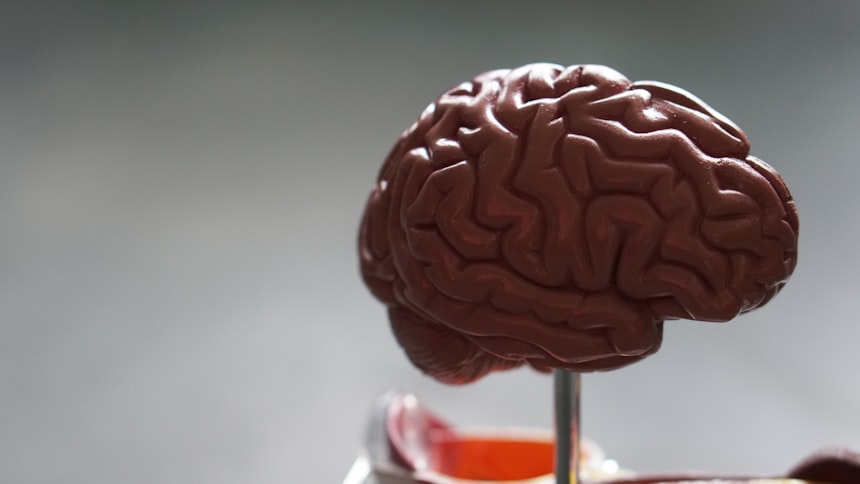
The neuroscience of sex is one of the most active frontiers in human biology. — Unsplash
🧠 What Happens to Your Brain During Sex?Sex is, before it is anything else, a neurological event. The body follows the brain. Understanding what is happening in your head during sexual activity explains much of what feels mysterious, involuntary, or overwhelming about the experience. The Dopamine Surge. Sexual arousal triggers a release of dopamine — the same neurotransmitter involved in every other highly rewarding experience, from eating to creative achievement. This is why desire feels urgent and why its absence, in depression, is so disorienting. The Oxytocin Flood. Orgasm triggers a spike in oxytocin — the “bonding hormone” — which explains why sex can create or deepen emotional attachment. It also explains the post-coital calm, tenderness, and vulnerability many people experience. This is neurochemistry, not weakness. The Prefrontal Cortex Goes Quiet. fMRI studies show reduced activity in the prefrontal cortex — the region governing self-judgment, social evaluation, and risk assessment — during arousal and orgasm. This is why sex can feel uninhibited, and why anxiety, self-consciousness, and overthinking are such effective libido killers. The brain cannot fully pursue pleasure while simultaneously evaluating it. Norepinephrine and Endorphins. These drive the physical arousal responses — elevated heart rate, heightened senses — and contribute to the natural analgesic effect of orgasm. Pain thresholds measurably increase during sexual activity. The Amygdala Shift. Fear and threat responses — processed in the amygdala — are actively suppressed during arousal. This is why a sense of safety with a partner is not just emotionally preferable but neurologically necessary for full sexual responsiveness. Trust is not sentimental. It is biological.
💊 15 Health Benefits of Sex Backed by ScienceSex is not just recreation. It is, in the clinical literature, a legitimate health behaviour — one with measurable physiological and psychological benefits that overlap significantly with other activities we readily prescribe: exercise, sleep, and social connection.

Sexual satisfaction and psychological wellbeing are deeply and bidirectionally linked. — Unsplash
❓ The Most Common Sex Questions People Are Too Embarrassed to AskThese are the questions that get typed into search engines at midnight. The ones people write on anonymous Reddit threads. The ones that arrive in my consulting room only after three visits, once trust has been established. They deserve direct answers. Q: Is my libido normal? Q: Why don't I orgasm during penetration? Q: Is it normal to have sexual fantasies? Q: How do I talk to my partner about what I want? Q: Can you get an STI from oral sex? Q: Is it normal for sex to hurt sometimes?
💕 Why Couples Stop Having Sex — And How They ReconnectDesire in long-term relationships does not die — it hides. Understanding where it hides is the key to finding it again. The familiarity trap. Erotic desire thrives on novelty, mystery, and a degree of separateness. Long-term domestic partnership — sharing bills, parenting, logistics — can collapse the psychological distance that desire needs. As Esther Perel articulates: we want what we cannot fully possess. When we possess everything about a partner, desire can dim. Resentment accumulation. Unaddressed relationship grievances are the single most reliable libido killer. Sex requires a degree of openness and vulnerability that becomes neurologically inaccessible when a person is harbouring unresolved anger. Parenting and life stage. The arrival of children creates a seismic reorganisation of time, energy, identity, and body image. Many couples experience a sexual recession in this phase that they mistake for permanent incompatibility. Mismatched desire styles. One partner may have spontaneous desire (want sex seemingly out of nowhere); the other may have responsive desire (become interested only once stimulation begins). Neither is disordered. But misunderstanding this gap creates hurt and rejection. How to reconnect. Evidence-based interventions include: scheduled intimacy dates (non-negotiably protected time), sensate focus exercises (physical touch without performance pressure), couples therapy specifically with a sex-positive therapist, honest conversation about desire — and sometimes, for individuals, addressing their own relationship with their own sexuality first. Explore more relationship health content on Happysimus.
🤝 The Psychology of Sexual AttractionSexual attraction is not as simple as it looks — or feels. Research consistently shows that attraction is a complex, multi-layered phenomenon influenced by biology, psychology, social conditioning, and lived experience simultaneously. What we find attractive is partly hardwired, partly cultural, and partly entirely personal. Scent and MHC compatibility. Studies using the “sweaty T-shirt” paradigm found that people are attracted to partners whose major histocompatibility complex (MHC) genes differ from their own — an evolutionary mechanism that promotes immune diversity in offspring. We literally smell genetic compatibility. Hormonal contraception can disrupt this system, which is one reason some women report their attraction changing after starting or stopping the pill. Proximity and familiarity. The mere exposure effect means we tend to become more attracted to people we see regularly. This is why workplace and social circle relationships are so common — and why attraction that begins as neutral can deepen simply through sustained contact. Personality and character cues. Across all cultures, attributes like intelligence, kindness, humour, and social status consistently rank as high-attraction traits — often above physical appearance in long-term partner selection. Evolution is pragmatic. Context dependency. Attraction is not a fixed state. Misattribution of arousal studies (Dutton & Aron, 1974) found that physiological arousal from unrelated sources — crossing a high bridge, watching an action film — can be interpreted by the brain as attraction to whoever is nearby. Context shapes chemistry more than we realise.
🚫 10 Everyday Habits That Are Hurting Your Sex Life1. Chronic sleep deprivation. Testosterone production peaks during REM sleep. Consistently poor sleep measurably reduces libido in all genders. 2. Excessive alcohol. While a small amount may reduce inhibition, chronic or heavy alcohol use suppresses testosterone, impairs nerve function, and interferes with orgasm. 3. Scrolling in bed. Blue light exposure suppresses melatonin and keeps the nervous system alert — the opposite of what erotic responsiveness requires. The phone is not your friend in the bedroom. 4. Sedentary lifestyle. Physical fitness is directly correlated with sexual function — better circulation, higher testosterone, improved body image, and greater endurance all contribute. 5. Chronic stress without management. Cortisol is the biological antagonist of sex hormones. Unmanaged stress systematically suppresses desire. Our stress management resources can help. 6. Poor diet. Diets high in processed foods and low in micronutrients impair vascular health — which directly affects sexual function and arousal in both men and women. 7. Ignoring mental health. Depression and anxiety are among the most common causes of reduced libido and sexual dysfunction. Many antidepressants also affect sexual function — but this is manageable with the right clinical approach. 8. Avoiding difficult conversations. Sexual problems that are not named do not resolve. They accumulate. Speaking about them — however awkwardly — is the only path through. 9. Treating sex as purely goal-oriented. When sex becomes a performance with a defined outcome (orgasm), everything leading up to it becomes instrumental. Pleasure is lost. Presence is lost. Bring curiosity back. 10. Neglecting non-sexual physical affection. Touch, affection, and physical closeness outside of sexual contexts maintain the erotic connection within them. When all touch becomes sexual, all touch becomes pressurised.
💡 The Truth About Orgasms: Separating Science from MythThe orgasm is simultaneously the most discussed and most misunderstood event in human sexuality. Let us replace the mythology with what the science actually shows. Orgasms are neurological, not genital. The event occurs in the brain. The genitals are the trigger — but spinal cord injury patients can experience orgasm through non-genital stimulation, and brain imaging shows orgasm involves a cascade across multiple brain regions, not just a reflex arc. There is more than one type. Research identifies clitoral, vaginal, blended, cervical, nipple-stimulated, and non-contact (fantasy-induced) orgasms. The idea that one type is “more evolved” or “more feminine” is a Freudian hangover with no scientific basis. Faking is common and counterproductive. Studies suggest a significant proportion of people with vulvas have faked orgasm at some point. The short-term benefit (avoiding awkwardness) creates a long-term problem: partners learn the wrong cues, and real pleasure is never communicated. Anorgasmia is treatable. The inability to achieve orgasm is a clinical condition with known causes and effective treatments — including therapy, pelvic floor physiotherapy, medication review, and mindfulness-based interventions. It is not a life sentence. Orgasm and sex are not the same thing. Pleasurable, intimate, meaningful sex can occur without orgasm. And orgasm can occur without meaningful connection. Conflating the two creates unrealistic expectations in both directions.
🤖 How AI Is Changing Love, Dating, and IntimacyWe cannot write an article on sexuality in 2026 without addressing the AI in the room. Artificial intelligence has entered human intimacy in ways that range from the genuinely useful to the ethically complex. AI-powered relationship apps now analyse communication patterns between couples and flag recurring conflict dynamics — giving partners language and perspective that might otherwise take years of therapy to develop. AI companions — chatbots designed for emotional connection — are being used by millions of people experiencing loneliness, social anxiety, or disability. This raises important questions: are these relationships healthy supplements or substitutes? The research is genuinely mixed. Dating algorithm sophistication has reached a point where apps can predict long-term compatibility with statistical models far more nuanced than any checklist. But compatibility is not chemistry. Many people who are algorithmically matched feel nothing, and many who make no “sense” on paper feel everything. The risk of AI-mediated intimacy is the same as the risk in any mediated relationship: it can become a substitute for the vulnerability, reciprocity, and imperfection that make human intimacy meaningful. AI can inform, support, and even accompany — but it cannot replace the irreducible experience of being truly known by another person. More on navigating digital life on Happysimus.
The Conversation That Can Change EverythingSexual health is health. Not a niche concern, not a luxury conversation — a core dimension of human wellbeing that affects physical health, mental health, relationship quality, and quality of life. The silence around it does not protect anyone. It only leaves people alone with questions that have perfectly good answers. If this article raised questions you want to explore further — good. That is exactly what it was designed to do. The book below goes considerably deeper, from an OB-GYN who has genuinely heard it all. Safe. Legal. Mutual. Happogie.
|
📌 In This Article
📖 Featured Book — Coming Soon Breaking the Silence Around Sex The Guide Nobody Gave You Sex, Desire & Intimacy — From an OB-GYN Who Has Heard It All. The book that breaks taboos. The guide that changes lives. This isn't just a book. It's a conversation
📖 Also From The Marcopera Cashing In on the AI Wave 10 Practical Ways to Build Income in the Age of AI. Learn it. Leverage it. Earn with it.
📖 Recommended Make & Keep Your Goals 10 Reasons Why Goals Fail — and the powerful solutions that actually work.
📖 For Women Weekly Planner for Women Stay Organised. Stay Inspired. Stay You. One week at a time, one step closer to your best life.
📖 For Men Weekly Planner for Men Plan Your Week. Own Your Goals. Focus, Discipline & Daily Progress. Built for men.
🔗 More From Happysimus
Follow Happysimus |


HAPPYSIMUS
AI & Income • Health & Wellness • Personal Growth
happysimus.com •
info@happysimus.com
© 2026 Happysimus / The Marcopera. All rights reserved. For educational purposes only. Adult content. Not a substitute for professional medical advice.