
Happysimus › Blog › Health & Wellness
Health & Wellness · Sleep Science · Physician’s Take
By The Marcopera | Physician · OB-GYN Specialist · Founder, Happysimus
June 30, 2026 · Health & Wellness · 12 min read
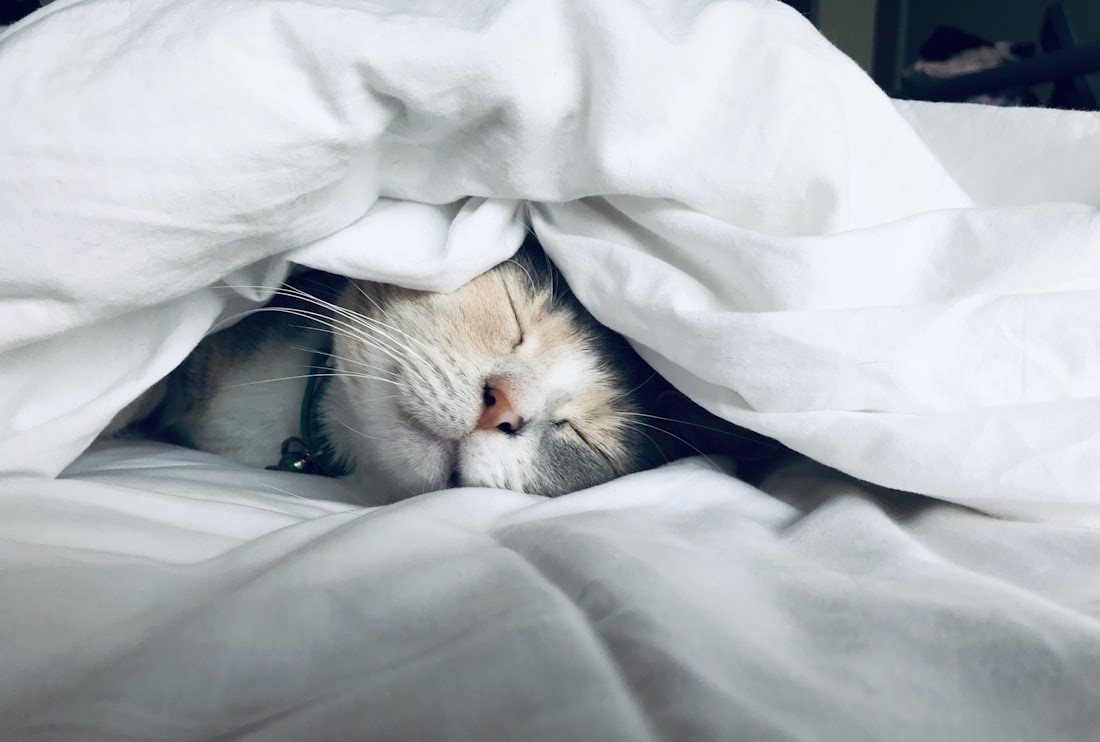
Sleep is not a passive activity. It is your body’s most powerful repair system. Photo: Unsplash
You have been told your entire life that sleep is important. You have nodded, agreed, and then stayed up until midnight scrolling your phone. So has almost everyone you know. But something is shifting in 2026 — because the science has become impossible to ignore. Sleep is not a lifestyle choice. It is not a productivity hack. It is not optional. It is, as the evidence now overwhelmingly shows, the most powerful single health intervention available to every human being on earth — and it is completely free. I have practised medicine for many years, across multiple continents and healthcare settings. I have seen patients with extraordinary discipline about nutrition, exercise, and supplementation who were completely unravelling their efforts with a single, almost universal habit: they were not sleeping enough. And I have watched those same patients transform their health — their blood pressure, their mood, their weight, their immune function, their cognitive sharpness — simply by taking sleep seriously. This post is the comprehensive, physician-authored case for sleep that I wish every one of my patients would read. The science. The statistics. The consequences. And the practical steps that will genuinely change your life — starting tonight. The Scale of the Problem — We Are a Chronically Sleep-Deprived SpeciesBefore we talk about solutions, let us sit with the problem — because the numbers are genuinely alarming. According to the CDC and multiple large-scale studies, more than one third of adults in the developed world are chronically sleep-deprived — sleeping fewer than the seven hours per night that the American Academy of Sleep Medicine considers the minimum health necessity for adults. A 2026 international survey of 71,149 parents across 112 countries found that 80% get less than 6 hours of sleep per night — with 83% describing themselves as exhausted or drained. And this is not a modern invention. The research growth rate in sleep deprivation science has increased at an annual rate of 37.92% since 2020 — because the field has belatedly recognised that this is one of the most significant and underaddressed public health crises of our time. 📊 THE SLEEP DEPRIVATION NUMBERS — 2026
Sources: Sleep Stack 2026 · Sleep Foundation · NHLBI Sleep and Your Heart — The Cardiologist’s Nightmare Nobody Is DiscussingIf you came to my consulting room complaining of elevated blood pressure and I discovered you were sleeping five hours a night, I would address the sleep before I reached for the prescription pad. Because the relationship between sleep and cardiovascular health is now one of the most well-established links in modern medicine — and it is still being wildly underestimated in clinical practice. Research published by the NCBI shows that sleep loss of fewer than seven hours per night produces wide-ranging effects on the cardiovascular, endocrine, immune, and nervous systems simultaneously. Sleep deprivation elevates sympathetic nervous system activity, raises cortisol and inflammatory markers, disrupts glucose metabolism, and increases blood pressure — all of which directly raise the risk of hypertension, coronary artery disease, heart failure, arrhythmias, and stroke. The signal is consistent across study after study: protect your sleep and you protect your heart. A 2025 umbrella review published in the American Journal of Lifestyle Medicine — analysing findings from multiple systematic reviews and meta-analyses — confirmed that the consequences of sleep deprivation span cardiovascular health, metabolic function, and mental wellbeing simultaneously. This is not a marginal effect. It is foundational.  The clock never lies — but neither does the science on what staying up too late actually costs you. Photo: Unsplash What Sleep Deprivation Does to Your Brain — And It Is Worse Than You ThinkThe brain is perhaps sleep’s most ardent customer. During sleep — particularly during deep, slow-wave sleep and REM sleep — the brain performs critical maintenance tasks that are simply impossible during waking hours: it consolidates memories, processes emotional experiences, clears metabolic waste products through the glymphatic system, and repairs neural connections. Skip this process night after night, and the consequences accumulate in ways that feel, at first, like minor inconveniences — and eventually, like serious pathology. Persistent sleep insufficiency contributes to cognitive decline, emotional instability, and biological wear that produces effects similar to accelerated ageing. A 2025 study published in Cureus examining young adults aged 18-30 found that chronic sleep deficiencies were directly linked to brain fog, early cognitive decline markers, and elevated cardiovascular risk — even in this young population. Sleep deprivation is not just a problem for the elderly. It is damaging brains in their twenties. 2026 longitudinal studies show that REM sleep fragmentation predicts mood volatility the following day, while weekly sleep irregularity tracks with spikes in anxiety. In adults, persistent sleep debt amplifies anhedonia — the inability to feel pleasure — dulling reward responses and sapping motivation at work and in relationships. Insomnia is both a symptom and a driver of depression. And treating sleep problems early improves outcomes for co-existing mental health conditions — a finding that has profound implications for how we approach mental healthcare. 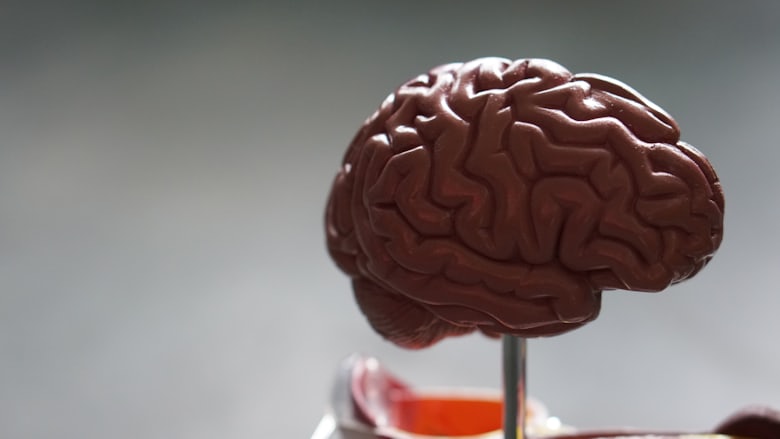 Every night of deep sleep is the brain’s essential maintenance window. Miss it and the receipts accumulate. Photo: Unsplash Sleep, Weight Gain, and Hormones — The Connection Nobody Tells You AboutIn a world where billions of dollars are spent annually on weight management — where GLP-1 drugs have become the most talked-about medications of our era (read our full analysis: GLP-1 Drugs — What Nobody Is Telling You) — the role of sleep in metabolic health remains dramatically underappreciated. Sleep deprivation directly disrupts ghrelin and leptin — the two hormones that regulate hunger and satiety. Ghrelin rises (making you hungrier) and leptin falls (making you feel less full) when you are sleep-deprived. The result: chronic short sleepers consume more calories, crave higher-calorie foods, and have a measurably increased risk of obesity — independent of their diet and exercise habits. The metabolic consequences do not stop at weight. Adults sleeping fewer than 5 hours per night have 2.5 times the relative risk of developing type 2 diabetes compared to those sleeping 7-8 hours. Insulin sensitivity drops measurably after even a single night of short sleep. If you are managing blood sugar, blood pressure, or body weight — and not addressing your sleep — you are working against your own biology. Your Immune System Rebuilds While You Sleep — Every Single NightOne of the most clinically compelling sleep findings is what happens to your immune system when you do not sleep. Sleep is not passive for the immune system — it is the period during which cytokine production increases, T-cell activity optimises, and the immune system consolidates its “memory” of pathogens it has encountered. Research shows that sleep is as fundamental to immune function as it is to neural recovery. The practical consequence: people sleeping fewer than 6 hours per night are 4.2 times more likely to catch a cold than those sleeping more than 7 hours — even when both groups were directly exposed to the same rhinovirus in controlled conditions. That is not a small effect. That is the difference between getting ill and staying well, quantified. Sleep also plays a critical role in cancer surveillance — the immune system’s continuous monitoring for abnormal cells. Emerging 2026 research links consistently poor sleep to increased risk of colorectal cancer, with researchers investigating mechanisms through which sleep loss impairs the immune system’s ability to detect and destroy early-stage abnormal cells. Given that we covered the groundbreaking GLP-1 and breast cancer research from ASCO 2026 on this blog, the intersection of immune health, sleep, and cancer prevention deserves serious attention. How Much Sleep Do You Actually Need? The Definitive AnswerThe most common question — and the one that generates the most motivated self-deception. Let me be direct. 😴 HOW MUCH SLEEP DO YOU ACTUALLY NEED?
⚠️ The myth of the 6-hour person: Research shows that only a tiny fraction of the population — estimated at under 3% — carries a genetic mutation (DEC2) that genuinely allows them to function optimally on 6 hours. If you think you are one of them, the evidence suggests you are almost certainly not. You have simply adapted to feeling suboptimal. The Physician’s Sleep Protocol — 10 Evidence-Based Steps That Actually WorkHere is the practical prescription — the steps I would give a patient sitting across from me who was serious about transforming their sleep. Not trends. Not gadgets. Evidence-based, clinically grounded, and achievable tonight. ① Fix your wake time first — not your bedtime Your circadian rhythm anchors to your wake time, not your bedtime. Choose a consistent wake time — even on weekends — and hold it for two weeks. Your sleep pressure will regulate everything else from there. ② Get 10 minutes of bright light within 30 minutes of waking Morning light — ideally natural sunlight — sets your circadian anchor and signals to your brain when the day has begun. This is one of the most powerful and free sleep interventions available. ③ Stop caffeine by 2pm — your afternoon coffee is disrupting your deep sleep Caffeine has a half-life of 5-7 hours. A coffee at 4pm means half the caffeine is still in your system at 9pm — actively suppressing the deep sleep stages where cellular repair happens. ④ Make your bedroom cold, dark, and quiet — all three matter Core body temperature needs to drop 1-2°C to initiate sleep. The optimal bedroom temperature is 16-19°C (60-67°F). Blackout curtains and earplugs or white noise complete the environment. Treat your bedroom as a sleep sanctuary, not a second living room. ⑤ No screens for 60 minutes before bed — non-negotiable Blue light from screens suppresses melatonin production — the hormone that signals to your brain that night has begun. This is not a minor effect. A 2024 meta-analysis confirmed the magnitude of this impact across more than 50 years of research. Put the phone down. Your brain will thank you. ⑥ Do not lie in bed awake for more than 20 minutes If you cannot sleep, get up and do something calm in dim light until you feel sleepy. Lying in bed frustrated trains your brain to associate the bed with wakefulness — the opposite of what you need. This is one of the key principles of Cognitive Behavioural Therapy for Insomnia (CBT-I), the gold-standard clinical treatment. ⑦ Exercise — but time it correctly Regular exercise significantly improves sleep quality and duration. But vigorous exercise within 3-4 hours of bedtime can raise core body temperature and cortisol, delaying sleep onset. Move your body — but move it earlier in the day when possible. ⑧ Alcohol is not a sleep aid — it is a sleep disruptor Alcohol helps you fall asleep faster and then significantly worsens your sleep quality — particularly suppressing REM sleep and causing fragmented sleep in the second half of the night. The night after a few drinks may feel like sleep. The data says otherwise. ⑨ Write tomorrow’s worries down before bed — the offloading technique A significant cause of lying awake is rumination — the mind cycling through tomorrow’s concerns. Writing them down, along with your planned response to each, has been shown to reduce sleep onset time significantly. Externalise the worry. Close the mental tabs. ⑩ If problems persist — seek clinical help, not supplements Chronic insomnia is a clinical condition. CBT-I delivered by a trained clinician outperforms sleep medication in long-term outcomes. If you have tried behavioural interventions consistently for four weeks without improvement, speak to your doctor. Sleep disorders are treatable — but they need professional assessment.  The morning after a full night’s sleep feels different to everything else. That is not a coincidence. Photo: Unsplash A Note for Women — Sleep Is a Reproductive and Hormonal Issue TooAs an OB-GYN, I would be remiss not to highlight a dimension of sleep science that is under-discussed: the relationship between sleep and female reproductive health. Sleep disturbances are significantly more prevalent in women than men — driven by hormonal fluctuations across the menstrual cycle, pregnancy, postpartum, perimenopause, and menopause. Oestrogen and progesterone directly regulate sleep architecture. As these hormones fluctuate, so does sleep quality — with consequences that cascade into mood, cognition, metabolism, and cardiovascular health. If you are experiencing sleep disruption and you are a woman in any stage of hormonal transition — this is not something to accept as normal. It is something to discuss with your clinician. Just as poor sleep can be a symptom of hormonal imbalance, it can also be a driver of it. The relationship is bidirectional, and addressing it has benefits that extend far beyond the bedroom. The Bottom Line — Sleep Is Not a Luxury. It Is Medicine.We live in a culture that still wears sleep deprivation as a badge of productivity. The person who sleeps five hours and works fourteen is admired. The person who protects eight hours of sleep is quietly judged for lacking drive. This is one of the most expensive cultural myths we have ever collectively subscribed to — because the bill, paid in cardiovascular disease, metabolic dysfunction, cognitive decline, immune collapse, and emotional dysregulation, is being settled slowly and silently by millions of people who never connected the dots. The science of 2026 is unambiguous. Peer-reviewed umbrella reviews. Population-level sleep statistics. NCBI-published cardiovascular data. Longitudinal brain studies. They all say the same thing with increasing clarity: sleep is not the passive absence of wakefulness. It is the active foundation of everything your body and mind are trying to do. Protect it. Prioritise it. Build your life around it as you would any other non-negotiable health behaviour. Because in the hierarchy of things that will determine how well and how long you live — sleep sits at or near the very top. And unlike most powerful interventions in medicine, it is completely free. “Every night of adequate sleep is an act of self-respect, a deposit into every account that matters — your heart, your brain, your immune system, your relationships, and your future self.” — The Marcopera | Happysimus.com 📖 More from Happysimus on Health & Wellness: → GLP-1 Weight Loss Drugs — What Nobody Is Telling You — The physician’s unfiltered truth about Ozempic and Wegovy → The Purpose Audit: Is Your Life Pointing the Right Way? — Personal growth meets physician wisdom → How AI Is Transforming Healthcare Across Africa — The most important health story of 2026 → Why Do People Say Money Cannot Buy Happiness? — The science behind wellbeing and wealth About The Marcopera — Physician, OB-GYN Specialist, ECFMG certified, certified Mindstream Life Coach, healthcare cybersecurity analyst, and founder of | 😴 Quick Sleep Facts Adults need 7+ hours per night 1 in 3 adults are chronically sleep-deprived 4.2× more likely to catch a cold on <6hrs sleep 2.5× diabetes risk on <5hrs vs 7-8hrs Sleep deprivation mimics accelerated ageing 📖 Related on Happysimus 📚 Books by The Marcopera Breaking the Silence Around Sex Weekly Planner for Men Blood Pressure Log Book Diary & Daily Mood Tracker Dream Journal Sudoku: 555+ Puzzles Gratitude Journal for Men My Daily Journal |


