
By The Marcopera | Physician · OB-GYN Specialist · Founder, Happysimus
June 23, 2026 · Health & Wellness · 10 min read

Ozempic, Wegovy, Mounjaro — the GLP-1 revolution. What are they really doing to your body?
Everyone is talking about Ozempic. Nobody is talking about what it is doing to your hormones, your libido, your fertility — and possibly your gut — for the rest of your life. Let me be direct with you. As an OB-GYN who has spent a career in the most intimate corners of human health, I have watched the GLP-1 revolution unfold with equal parts admiration and alarm. These drugs are genuinely remarkable — and they are being prescribed, marketed, and consumed at a speed that is outpacing the science. Significantly. By 2026, GLP-1 receptor agonists — Ozempic, Wegovy, Mounjaro, Zepbound — have become the most talked-about medications on the planet. The top health trend of 2026 chosen by 52% of polled medical experts. A multi-billion dollar industry. A cultural phenomenon. And a drug that millions of people are taking without a full picture of what it actually does to their bodies. This post is that picture. Unfiltered. From a physician who has heard it all. First — Let’s Give Credit Where It’s DueI am not here to demonise these drugs. GLP-1 receptor agonists mimic a naturally occurring gut hormone that regulates insulin, slows gastric emptying, and signals your brain that you are full. The results, for the right patients, have been genuinely transformative — rivalling bariatric surgery outcomes without going under the knife. For people with type 2 diabetes, obesity-related heart disease, and metabolic dysfunction, these medications represent a legitimate medical breakthrough. Harvard researchers describe their role as “much more fundamental to human health” than initially understood — showing promise for heart failure, chronic liver disease, sleep apnea, and even addiction recovery. That is extraordinary. I mean that sincerely. The Headline Nobody Expected: GLP-1s and Breast CancerJust weeks ago, at the 2026 American Society of Clinical Oncology Annual Meeting, a study dropped that genuinely stopped the medical world in its tracks — and as an OB-GYN, I want to give it the space it deserves. Researchers from the University of Pennsylvania analysed health records from 111,646 women aged 45 to 80 — all overweight or obese, all having undergone breast imaging. The finding: women taking GLP-1 medications had approximately 30% lower odds of developing breast cancer compared to matched controls. In the broader full cohort analysis, the reduction was even more striking — 35.1% lower odds. Published in JCO Oncology Practice. Presented at ASCO. Not a small study. Not a fringe finding. 🔬 THE BREAST CANCER FINDINGS — ASCO 2026 • 111,646 women studied — University of Pennsylvania Health System • 30.5% lower odds of breast cancer in the rigorously matched cohort • 35.1% lower odds in the full cohort analysis • Effect appears linked to both weight loss AND direct anti-inflammatory action — meaning it may work even without massive weight reduction • GLP-1 drugs also showed 58% greater cancer risk reduction than diet and exercise alone across multiple cancer types at ASCO 2026 This is not just about weight loss reducing cancer risk — that connection was already established. What is new and genuinely exciting is the evidence that GLP-1 drugs appear to work through direct anti-inflammatory pathways independent of how much weight you lose. Chronic inflammation is one of the primary drivers of tumour development, and these drugs appear to suppress it in ways that go beyond simply shrinking fat tissue. Earlier data from UC San Diego found that GLP-1 users diagnosed with colorectal cancer had less than half the mortality rate of non-users. And a 2024 Nature Medicine study documented lower incidence of multiple obesity-associated cancers across the drug class. The anti-cancer story is real, it is building, and it deserves serious attention — clinical trials specifically targeting cancer prevention with GLP-1s are now being planned. As a physician and as an OB-GYN particularly aware of breast cancer’s devastating reach — I find this data genuinely moving. If these findings hold up in prospective trials, we may be looking at one of the most significant cancer prevention tools of our generation. That possibility must be part of any honest conversation about these drugs. 📖 I covered this study in full last week on Happysimus The numbers, the methodology, the caveats, and what it actually means for women in clinical practice — all in one deep-dive. If the breast cancer finding caught your attention, this is the article you need to read next.
But here is the problem. The people who genuinely need these drugs are being drowned out by the people who simply want to drop a dress size before summer. And that is where the story gets dangerous. ⚠️ THE NUMBERS THAT SHOULD GIVE YOU PAUSE • Between 40–70% of patients on GLP-1 drugs report gastrointestinal side effects • Nearly 4x increased risk of gastroparesis (chronic gut paralysis) vs other weight-loss drugs • 9x increased risk of pancreatitis compared to other weight-loss medications • 43.5% of users in a 410,000-post study reported at least one side effect • FDA boxed warning for potential thyroid C-cell tumours — the strongest warning the FDA issues The Gut Truth: Your Digestive System Was Not Designed for ThisGLP-1 drugs work, in part, by dramatically slowing gastric emptying. That is intentional — it is what creates the feeling of fullness. But your gut is a complex, finely tuned system. When you artificially slow it down for months or years, you are playing with fire. Consider the woman described in a recent Slate investigation — no diabetes, no prior GI history, prescribed semaglutide to lose ten pounds for summer. Six months later: nausea every morning, bloating after small meals, progressive unexplained weight loss. Her doctor called it “the drug working.” A gastroenterologist eventually diagnosed gastroparesis — a condition where the stomach cannot empty properly. Permanent. Life-altering. And entirely preventable, had anyone measured her baseline GLP-1 levels before prescribing. Here is the clinical bombshell: no major prescribing guideline currently recommends measuring a patient’s natural GLP-1 levels before starting these drugs. You would not prescribe thyroid medication without checking thyroid levels. You would not start hormone replacement without measuring hormones. Yet millions of people are being given a drug that manipulates a fundamental gut hormone — without first checking whether their body actually needs it. 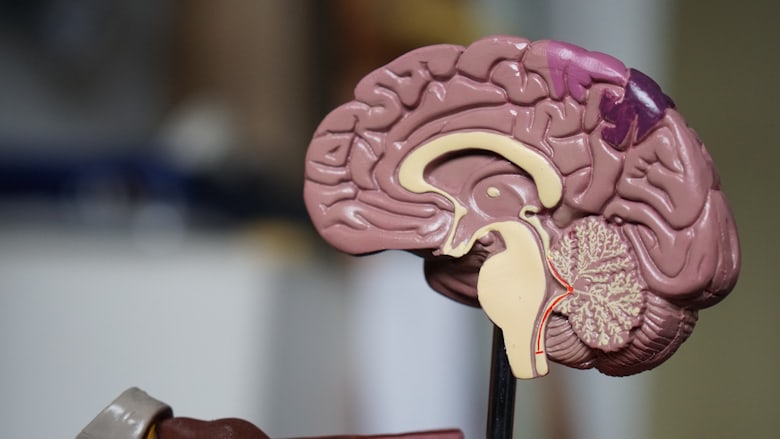 The prescribing guidelines have not caught up with the prescribing reality. Photo: Unsplash The Conversation Nobody Is Having: GLP-1s and Your Sex LifeThis is the part your prescribing physician most likely did not mention. And as an OB-GYN, it is the part I feel most obligated to raise. GLP-1 receptors exist in the brain’s reward centres. These drugs reduce dopamine-driven reward-seeking behaviour — that is precisely how they suppress appetite. But dopamine does not only govern your relationship with food. It governs your relationship with pleasure, intimacy, and desire. A growing body of patient reports and emerging research tells a nuanced story. Some people report increased libido — particularly those who struggled with obesity-related hormonal imbalances or insulin resistance, where weight loss itself restores sexual function. But a significant number report the opposite: decreased sexual desire, emotional detachment, and a blunting of pleasure that extends far beyond the dinner table. One patient described it plainly: “I came home from work and wanted to avoid my husband entirely. It was most pronounced with him.” Her doctor had not warned her this was possible. She had to find out via an online forum, surrounded by strangers comparing notes in real time — because that is currently more informative than most clinical consultations on this topic. The Fertility Wildcard — And Why Women of Reproductive Age Must Read ThisHere is where it gets genuinely complicated — and where my OB-GYN alarm bells ring the loudest. GLP-1 drugs have gone viral on social media for an unexpected reason: women who were previously struggling with fertility are getting pregnant. For women with PCOS and obesity, the weight loss and improved insulin sensitivity from GLP-1s can restore ovulation, regulate menstrual cycles, and genuinely improve reproductive outcomes. That is real, documented, and clinically significant. But here is what those viral posts do not mention: semaglutide is not recommended during pregnancy. Studies show a higher rate of pregnancy terminations in the GLP-1 group and a lower rate of live births compared to control groups. The drug crosses biological thresholds we do not yet fully understand. The guidelines say stop the drug before conception — but if you are unexpectedly more fertile than you realised, that window may close before you notice. If you are a woman of reproductive age taking a GLP-1 drug and not actively trying to conceive — your contraception conversation is overdue. And if you are trying to conceive, this requires a careful, informed discussion with your physician — not a TikTok success story.  Women’s reproductive health and GLP-1 drugs — a conversation long overdue. Photo: Unsplash Mood, Mind, and the Dopamine QuestionSocial media has circulated alarming stories about GLP-1 drugs and suicidal ideation. The FDA investigated extensively — and found no confirmed causal link. That is reassuring, and it is important to say so clearly. The suicidality risk has been substantially de-risked as of 2025–2026. But — and this is a significant but — the FDA has not closed the file. They cannot definitively rule out a small risk. And the broader mental health picture is more nuanced than headlines suggest. GLP-1 receptors in the brain modulate reward pathways, appetite-related neurocircuitry, and — critically — the pharmacokinetics of other psychiatric medications. If you are on antidepressants, mood stabilisers, or any psychiatric medication, GLP-1 drugs may alter how those drugs are absorbed. That conversation needs to happen with your doctor, specifically and explicitly, before you start. Meanwhile, a University of Pennsylvania study analysed over 410,000 real-world Reddit posts and found that patients are reporting reproductive symptoms and temperature dysregulation that do not appear in clinical trial data. Not because the trials lied — but because trials are designed to find the most dangerous effects, not the ones patients find most disruptive to daily life. The full picture is still being assembled, in real time, on internet forums rather than in consulting rooms. Stop the Drug. Watch What Happens Next.Harvard researchers who study these drugs are asking the questions the advertisements are not: what happens when you stop? The evidence is uncomfortable. The metabolic and weight effects of GLP-1s substantially wane after discontinuation. Most patients regain a significant portion of lost weight within a year of stopping. Which raises a question the prescribing industry has been conspicuously quiet about: are you signing up for a lifetime of injections? For a person with severe obesity and metabolic disease, a lifelong medication may be a worthwhile trade-off — just as a person with hypertension takes antihypertensives indefinitely. But for the person who just wants to lose 15 pounds before a wedding? That calculation is very different. And it is not being made honestly in many of the prescribing conversations happening right now. So What Should You Actually Do?Here is my clinical bottom line — the kind of frank summary I would give a patient in my consulting room, not a patient in a pharmaceutical advertisement. THE PHYSICIAN’S CHECKLIST BEFORE TAKING A GLP-1 DRUG ✅ Do you have a clinical indication? Obesity (BMI ≥30), type 2 diabetes, or significant metabolic disease — not “wanting to lose a few pounds” ✅ Have you discussed your GI history? Pre-existing gastroparesis, pancreatitis, or chronic gut issues are red flags ✅ Are you on psychiatric medication? Ask specifically about drug interactions and absorption changes ✅ Are you a woman of reproductive age? Contraception and pregnancy planning must be part of this conversation ✅ Do you have a thyroid history? Personal or family history of medullary thyroid cancer is a contraindication ✅ Do you understand this may be lifelong? Weight typically returns when the drug is stopped — is that a commitment you can sustain? GLP-1 drugs are not villains. They are powerful tools — and like all powerful tools, they demand respect, precision, and informed consent. The problem is not the drug. The problem is the culture of quick fixes dressed up as medical miracles, handed out without the full conversation that every patient deserves. “The most dangerous thing about a drug is not its side effects — it is the conversation that never happened before it was prescribed.” — The Marcopera Ask harder questions. Demand better conversations. Your body — your gut, your hormones, your desire, your fertility — deserves the full truth. Not just the before-and-after photo. About The Marcopera — Physician, OB-GYN Specialist, certified Life Coach, and founder of | 📚 Books by The Marcopera Weekly Planner for Men Sudoku 555+ Puzzles Dream Journal Gratitude Journal for Men My Daily Journal Happysimus Helping You Thrive in the Age of AI |


