
Happysimus › Blog › Health & Wellness · Gut Health
Health & Wellness · Gut Health · Neuroscience
What 2026 Science Reveals About the Trillions of Microbes Influencing Your Mood, Memory, and Metabolism
By The Marcopera | Physician · OB-GYN · AI Educator · Founder, Happysimus
July 4, 2026 · Health & Wellness · 13 min read
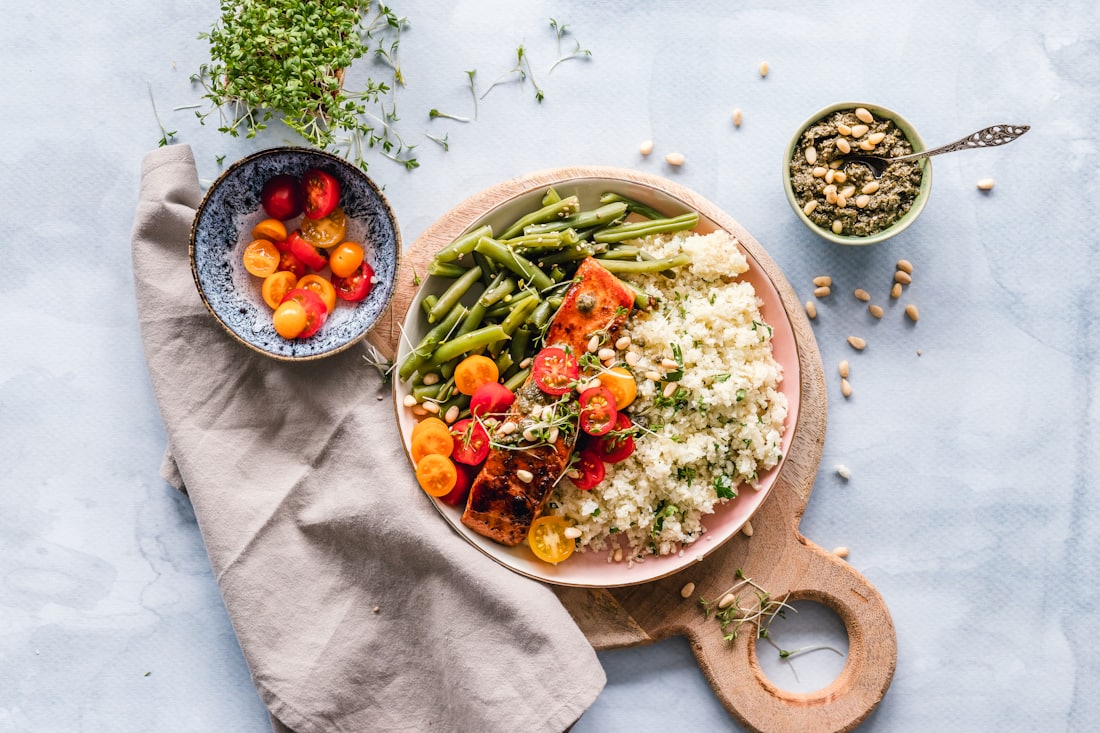
Inside your gut lives an ecosystem of ~38 trillion microorganisms that influence your brain, mood, immunity, and metabolism every single day. Photo: Unsplash
A patient once told me she had been feeling inexplicably anxious for months. Not situational anxiety — no specific trigger, no obvious cause. She had tried everything: better sleep, less caffeine, more exercise. Nothing shifted. What eventually changed her life was a conversation about her gut. Not her head. Her gut. Within three months of addressing her microbiome — through diet, targeted probiotics, and lifestyle changes — her anxiety had reduced significantly. Her gastroenterologist was unsurprised. Her psychiatrist was fascinated. And I was reminded, once again, that the gut is not just a digestive organ. It is a command centre. The phrase “second brain” is not metaphor. It is anatomy. Your gut contains approximately 500 million neurons — more than the spinal cord — and communicates with your brain through a bidirectional superhighway called the gut-brain axis. Growing scientific evidence — including recent reviews published in 2025 across multiple journals — strongly suggests that the gut microbiome communicates with the brain through the gut-brain axis, influencing brain function, mood, stress responses, and behaviour through neural, immune, hormonal, and metabolic pathways. The ecosystem involved is vast: current estimates put the number of microorganisms in the human gut at approximately 38 trillion — a figure that has been revised downward from the older “100 trillion” estimate but remains extraordinary. Any disruption in this bidirectional pathway is associated with a progression of health problems in both directions: neurological and gastrointestinal simultaneously. In 2026, gut health has moved from niche wellness territory to one of the most active frontiers in medical research. And the findings are rewriting what we thought we knew about mental health, obesity, immunity, ageing, and even intelligence. This post is your physician’s guide to what the science actually says — and what you can do about it starting today. 🦠 YOUR GUT — THE NUMBERS THAT REFRAME EVERYTHING
Sources: PMC Molecular Neurobiology 2025 · NIH/Nature 2026 · Frontiers in Microbiomes 2026 What Is the Gut-Brain Axis — And Why Should You Care?The gut-brain axis is the continuous, bidirectional communication network connecting your gastrointestinal tract and your central nervous system. It operates through four major pathways simultaneously — and it never sleeps. 🔗 THE FOUR COMMUNICATION HIGHWAYS BETWEEN YOUR GUT AND BRAIN ① The Vagus Nerve — The Direct Highway The vagus nerve is the longest cranial nerve in the body — running from the brainstem directly to the gut. Critically, approximately 80% of the signals travelling along the vagus nerve move upward — from gut to brain, not the other way around. Your gut is sending more information to your brain than your brain sends back. Microbial products including short-chain fatty acids activate vagal neurons within seconds, triggering responses that modulate memory, stress resilience, and emotional processing. ② Neurotransmitter Production — The Chemical Messengers Your gut microbiome produces and influences a remarkable range of neurotransmitters. Approximately 90–95% of the body’s serotonin is produced in the gut, not the brain. It is worth noting that this peripherally produced serotonin does not cross the blood-brain barrier — meaning gut-derived serotonin influences mood indirectly, through gut-brain signalling pathways, rather than entering the brain directly. Gut bacteria also influence dopamine, GABA, and norepinephrine production. Recent research published in Frontiers in Microbiomes in 2026 suggests that alterations in serotonin-associated gut microbes may influence depression and anxiety through the gut-brain axis. ③ Immune System Signalling — The Inflammatory Messenger Research published in PMC 2025 suggests the immune system is a key pathway along the gut-brain axis. The gut microbiome directly influences neuroinflammation — the chronic low-grade brain inflammation now implicated in depression, anxiety, cognitive decline, and neurodegenerative disease. When gut bacteria are imbalanced, immune signalling goes awry — and the brain pays the price. ④ The HPA Axis — Stress and Hormonal Regulation The hypothalamic-pituitary-adrenal (HPA) axis — the body’s primary stress response system — is directly regulated in part by the gut microbiome. Dysbiosis (microbial imbalance) dysregulates cortisol patterns, amplifies stress reactivity, and creates a vicious cycle: stress disrupts the gut, and a disrupted gut amplifies stress. Understanding this loop is clinically essential — particularly in the context of sleep disruption, which we covered in depth in our post on the sleep revolution. Your Gut and Your Mental Health — The Connection That Changes EverythingThe most clinically significant implication of gut-brain axis research is what it means for mental health. For decades, depression and anxiety were understood primarily as brain diseases — disorders of neurotransmitter balance to be addressed with drugs targeting the brain directly. The emerging picture is considerably more complex — and considerably more hopeful. The 2026 Frontiers in Microbiomes review — examining research from multiple continents — reports that gut dysbiosis has been associated with depression, anxiety, OCD, PTSD, schizophrenia, autism spectrum disorders, and Alzheimer’s disease, though the nature and direction of these relationships is still being actively investigated. In schizophrenia specifically, researchers have identified consistent differences in microbial composition compared to healthy controls — including increases in pro-inflammatory bacteria and decreases in beneficial strains like Faecalibacterium and Coprococcus. Perhaps most strikingly, a 2026 Frontiers in Neuroscience review reported that in genetic mouse models of depression, supplementation with a single bacterial strain — Akkermansia muciniphila — appeared to reverse neuronal atrophy and depressive-like behaviours. These findings are from animal studies and should not yet be extrapolated directly to human clinical outcomes — but they provide compelling early evidence that microbial signals can actively reshape neural structure and behaviour. 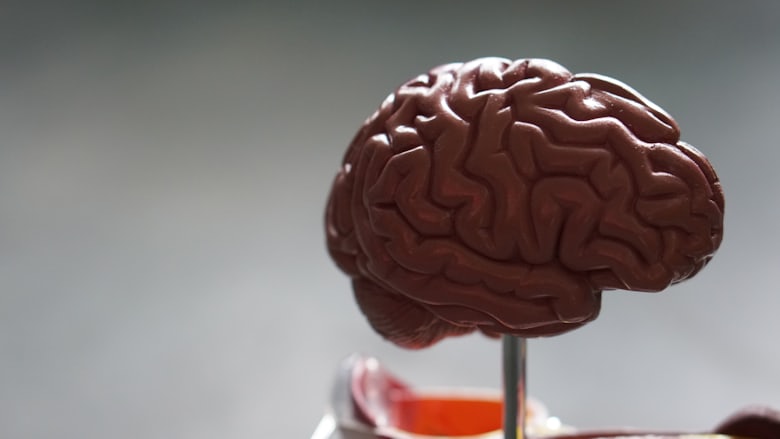 90–95% of serotonin — your primary mood molecule — is produced in the gut, not the brain. Photo: Unsplash Your Gut May Be Shaping Your Memory — The NIH’s 2026 Landmark FindingIn March 2026, one of the most significant studies on gut-brain connection in recent years was published in Nature — and it deserves special attention. An NIH-funded research team led by Dr Christoph Thaiss at Stanford University found that age-related changes in the gut microbiome directly contribute to memory loss and cognitive decline. The researchers demonstrated that when the gut microbiome of young mice was altered to resemble that of older mice — either by housing them together or by direct microbiome transplant — the younger mice performed significantly worse on memory tasks. These animal findings suggest that an ageing microbiome may contribute to cognitive decline — though further research in humans is needed to establish the full clinical implications. The clinical implications are profound. If the composition of your gut microbiome influences your cognitive ageing trajectory — then protecting your microbiome is not just a digestive health strategy. It is a brain health strategy. And it is one you can begin today, with choices that cost nothing beyond intention. Your Gut and Your Metabolism — Why Gut Dysbiosis Drives Obesity and DiabetesThe gut-metabolism connection is where the research becomes most immediately relevant to the chronic disease landscape of 2026. A review of 87 studies found that people with metabolic disorders — obesity, insulin resistance, type 2 diabetes, metabolic syndrome — consistently show different bacterial profiles than metabolically healthy individuals: lower levels of Akkermansia muciniphila and Bifidobacterium, and higher abundances of Proteobacteria. This is not merely a correlation. The mechanisms are increasingly understood. Some microbial communities appear to increase energy harvest from otherwise indigestible carbohydrates — meaning two people eating identical diets may experience different metabolic outcomes partly based on their microbiome composition. Gut dysbiosis increases intestinal permeability — the so-called “leaky gut” — allowing bacterial products called lipopolysaccharides (LPS) to enter the bloodstream, triggering chronic low-grade inflammation that directly promotes insulin resistance and fat storage. This is why the conversation about GLP-1 drugs — which we covered in our post on Ozempic and Wegovy — is incomplete without the gut microbiome dimension. Research published in 2026 suggests that gut bacteria directly influence GLP-1 secretion in the gut itself — one of the reasons why diet and microbiome health may be as important to metabolic health as the pharmaceutical interventions currently dominating the headlines.  What you eat today reshapes the ~38 trillion microorganisms running your life tomorrow. Food is your most powerful microbiome intervention. Photo: Unsplash What Is Destroying Your Microbiome — The Hidden DisruptorsBefore we talk about how to build a healthy microbiome, it is worth identifying what is breaking it down. Several of the most common features of modern life are also the most damaging to microbial diversity — and many people are entirely unaware of the connection. ① Antibiotics — The Nuclear Option Depending on the antibiotic used, a single course can reduce microbial diversity by an estimated 25–50% — with some species not recovering for months or years. Antibiotics are lifesaving when necessary. But the overuse of broad-spectrum antibiotics for viral infections — where they have no effect — has produced long-term collateral damage to the microbiomes of millions of people. ② Ultra-Processed Food — Feeding the Wrong Bacteria Ultra-processed foods — high in refined sugar, artificial emulsifiers, and synthetic preservatives — consistently reduce beneficial bacterial diversity while feeding pro-inflammatory strains. Emulsifiers like polysorbate 80 and carboxymethylcellulose, found in countless processed foods, have been shown to disrupt the mucus layer protecting the gut lining — a direct pathway to increased intestinal permeability and systemic inflammation. ③ Chronic Stress — The Gut-Brain Loop in Reverse Chronic psychological stress directly alters gut microbiome composition — reducing bacterial diversity, increasing gut permeability, and dysregulating the immune-gut interface. This creates a self-reinforcing cycle that we saw in our loneliness and mental health post: stress dysbiosis worsens mental health, which increases stress, which worsens dysbiosis further. ④ Poor Sleep — The Overnight Devastation The gut microbiome follows circadian rhythms — and sleep deprivation disrupts those rhythms directly. Shortened or fragmented sleep reduces microbial diversity, increases gut permeability, and shifts bacterial composition toward inflammatory profiles. This is one of the key mechanisms through which sleep deprivation damages metabolic and immune health — the gut is the mediator. ⑤ Tobacco — Including Hookah Tobacco smoking — in all its forms — significantly disrupts the oral and gut microbiome, increasing pro-inflammatory species and reducing protective strains. The hookah trend we examined in our post on hookah and shisha health dangers carries microbiome consequences that most young users are entirely unaware of. Carbon monoxide, heavy metals, and tobacco-specific nitrosamines all affect gut microbial composition — adding another dimension to an already alarming health picture. The Physician’s Practical Guide — How to Nourish Your MicrobiomeThe good news — and it is genuinely good — is that the microbiome is remarkably responsive to lifestyle change. Unlike genetic risk, which is fixed, your microbiome is dynamic and modifiable. Here is what the evidence supports most strongly. ① Eat for diversity — 30 different plants per week Research from the American Gut Project found that people eating 30 or more different plant foods per week had significantly more diverse microbiomes than those eating fewer than 10. Diversity is the goal — not just eating healthily by conventional standards. Rotate your vegetables, grains, legumes, fruits, nuts, and seeds. Every different plant feeds a different microbial species. ② Add fermented foods daily — nature’s probiotics A 2021 Stanford study found that a diet high in fermented foods — yogurt, kefir, kimchi, sauerkraut, kombucha, miso — increased microbial diversity and reduced inflammatory markers significantly compared to a high-fibre diet alone. Daily consumption of even small amounts of fermented food has measurable microbiome benefits within weeks. ③ Prioritise prebiotic foods — fibre that feeds your microbiome Prebiotics are the food your beneficial bacteria eat. The best sources include garlic, onions, leeks, asparagus, green bananas, oats, Jerusalem artichokes, and chicory root. Without sufficient prebiotic fibre, probiotic supplementation has limited effect — you are stocking a kitchen with no ingredients. ④ Move your body — exercise directly increases microbiome diversity Regular aerobic exercise — even moderate walking — has been shown to increase microbial diversity independently of diet. Athletes consistently show more diverse microbiomes than sedentary individuals. Exercise also promotes gut motility, reduces gut transit time, and decreases the exposure time of the gut lining to potentially harmful substances. ⑤ Protect your sleep — your microbiome depends on it Gut bacteria have their own circadian rhythms — and they synchronise with yours during sleep. Consistent sleep timing, adequate sleep duration, and sleep quality all directly support microbiome health. This is one more reason why the physician’s framework for sleep we outlined is inseparable from gut and metabolic health. ⑥ Consider targeted probiotics — but do it properly Not all probiotics are equal. The evidence for specific strains in specific conditions is growing — but strain specificity matters enormously. Lactobacillus plantarum DR7 has shown benefits for anxiety and working memory. Akkermansia muciniphila supports metabolic health and gut lining integrity. If you are considering probiotic supplementation for a specific health goal, speak to a physician who can guide you toward evidence-based strain selection rather than generic “probiotic” products. The Physician’s Verdict — Your Gut Is Not Just Digestion. It Is Everything.Hippocrates is often quoted as saying “all disease begins in the gut” — whether or not those exact words were his, the insight has proven remarkably prescient. Harvard’s overview of the gut-brain connection confirms what 2026 peer-reviewed research is now establishing with increasing precision: the gut microbiome is a central regulator of brain function, emotional health, metabolic health, immune competence, and cognitive ageing. What this means practically is that the choices you make about food, sleep, stress, exercise, and tobacco are not merely lifestyle preferences. They are direct interventions in the ecosystem that runs your mood, your memory, your weight, and your long-term health. Every meal is a microbiome decision. Every night of sleep is a microbiome investment. And every unnecessary antibiotic, every pack of processed food, every hookah session, is a microbiome withdrawal. The second brain is listening. Feed it well. “Your gut contains roughly 38 trillion microorganisms and 500 million neurons. It produces 90% of your serotonin. It talks to your brain more than your brain talks to it. And most people have never once thought about feeding it well.” — The Marcopera | Happysimus.com 📖 Related Reading on Happysimus: → The Sleep Revolution — Why Sleep Is Your Most Powerful Health Tool → GLP-1 Drugs — The Physician’s Unfiltered Truth About Ozempic and Wegovy → Can AI Really Tell You Are Sick Before You Feel It? → Hookah Is Not Safe — What the Shisha Bar Does Not Tell You About The Marcopera — Physician, OB-GYN Specialist, ECFMG certified, certified life coach, AI educator, and founder of | 🦠 Your Gut — Key Facts Gut microbes: ~~38 trillion Gut neurons: ~500 million Serotonin made in gut: 90–95% Vagus nerve signals gut→brain: ~80% Gut health linked to: mood, memory, weight, immunity 🔗 Research Sources NIH — Gut & Memory Loss (Nature 2026) ScienceDaily — Gut & Intelligence 📚 Books by The Marcopera Destined for Greatness 50 Golden Rules for Life Blood Pressure Log Book Weekly Planner for Men Diary & Daily Mood Tracker Dream Journal |


